


The Real Cost of Private Jet Charter: A Clear, No‑Nonsense Breakdown
The cost of private jet charter is rarely straightforward. You see a price, but what moves the dial? Fuel surcharges, positioning legs, landing fees—each piece shapes the total, often in ways you didn’t expect. We’ll break down every factor so you know exactly where your money goes, and how to control spend without sacrificing safety or timing. Send your next itinerary for a transparent, line-item quote and a 15-minute Cost Clarity call.
For a detailed understanding of what drives the number, explore our Private Jet Charter Cost: A Clear, Operator‑Backed Breakdown and gain insights into managing expenses effectively without compromising on safety or reliability.
Understanding Private Jet Costs
Understanding what affects private jet pricing can seem like navigating a complex flight path. Let’s simplify it by examining key elements that determine what you pay.
Key Pricing Drivers
Fuel is a major factor in private jet pricing. Prices can vary greatly depending on the route and current market rates. Fuel surcharges are common, ensuring that fluctuating costs are covered. You might be surprised by how much this affects the final tally.
Another driver is aircraft size and type. Smaller jets generally cost less per hour than larger ones, but this isn’t always the case. For instance, a light jet may cost $2,000 per hour, while a mid-size jet might be $4,000. The key is choosing the right size for your needs.
Common Fees and Charges
When chartering a private jet, various fees stack up. Landing fees are charged by airports for the use of their facilities. These can range from a few hundred dollars to several thousand, depending on the airport.
Crew costs also add up. If your trip involves overnight stays, expect to cover hotel and meal expenses for your crew. These costs can sneak up, so it’s wise to keep them in mind.
Impact of Safety Standards
Safety is paramount in aviation. Compliance with safety standards affects charter costs. Operators meeting top safety audits like ARGUS and Wyvern are often preferred, even if slightly pricier. This ensures peace of mind while flying.
Stringent safety measures may also involve additional training and maintenance, contributing to higher charter fees. Remember, investing in safety is investing in your well-being.
Managing Charter Expenses

Now that we understand the costs, it’s time to explore ways to manage and potentially reduce them.
Practical Cost Control Tips
Choosing the right aircraft can save you money. Not all trips require the largest jet available. Consider the number of passengers and flight distance. Opting for a smaller jet for shorter flights can be more economical.
Flexibility with travel dates can also lead to savings. Flying during off-peak times might lower costs. Negotiating with operators for better rates is another strategy worth trying.
Benefits of Secondary Airports
Flying into secondary airports can be a cost-effective choice. These airports often have lower landing fees and less congestion. They can also provide quicker service, saving you valuable time.
While major airports might seem convenient, secondary options can offer a balance between cost and efficiency. Exploring these alternatives can be a strategic move for budget-conscious flyers.
Empty Leg and Positioning Legs
Empty leg flights are a lesser-known gem in the world of private aviation. These occur when a jet needs to return to its base or reposition for its next flight without passengers. Booking these flights can result in significant savings, sometimes up to 75%.
Positioning legs, on the other hand, occur when an aircraft needs to move to pick you up. Be aware that these can add to the overall cost. Discussing options with your charter broker can help optimize your route and manage expenses.
Choosing the Right Charter Option
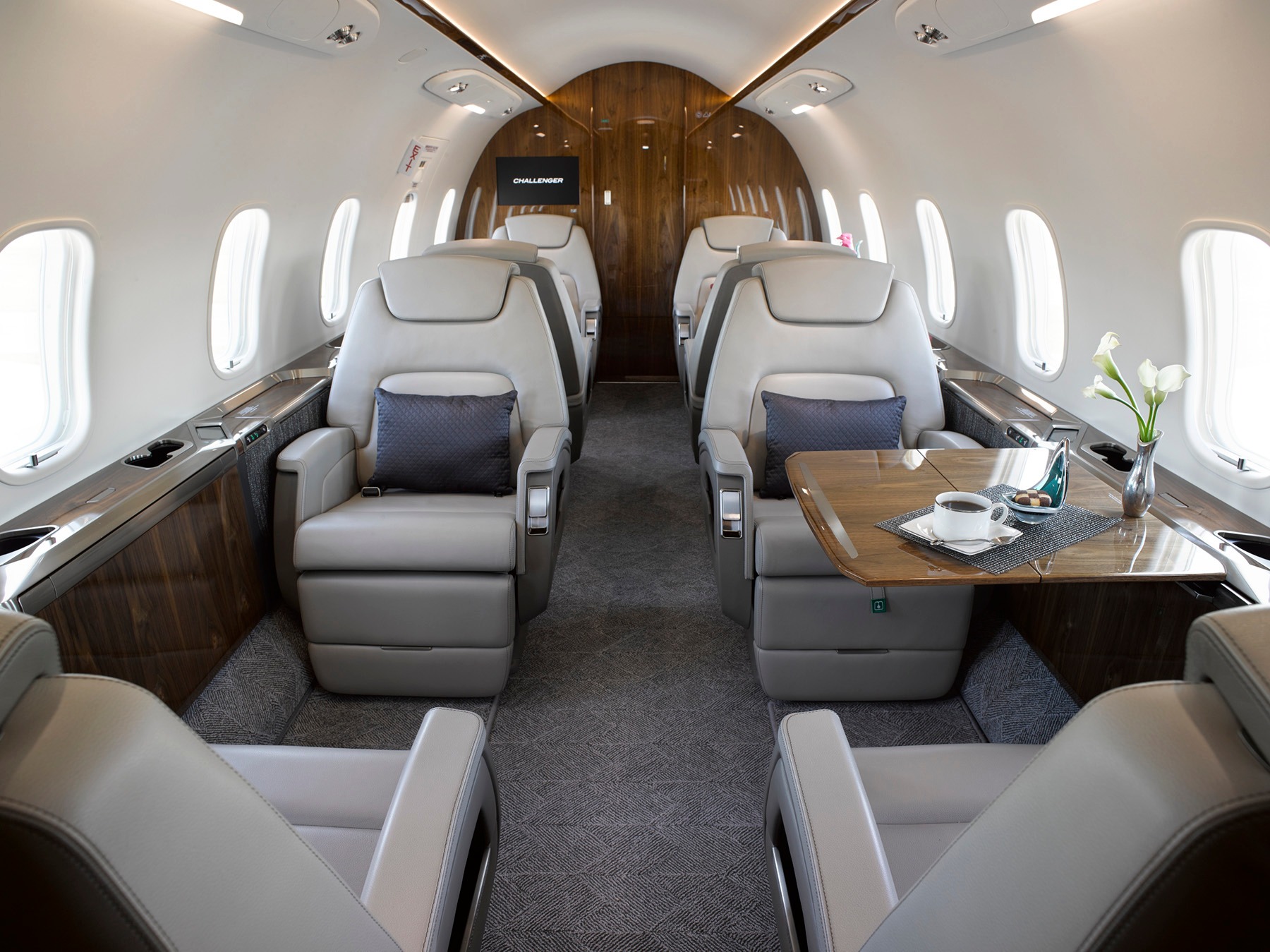
With costs and savings in mind, let’s explore which charter option suits your needs best.
On-Demand vs Jet Card
On-demand charters offer flexibility. You pay as you go, choosing the aircraft and schedule that fits each trip. This can be ideal for infrequent flyers who want control over every detail.
Jet cards, however, offer convenience. By purchasing flight hours in advance, you lock in rates, potentially saving money over time. This option suits frequent travelers who prefer predictable costs.
Fractional Ownership vs Charter
Fractional ownership involves purchasing a share of an aircraft. This provides guaranteed access but requires a long-term commitment. It can work well for those flying over 50 hours annually but can be costly for less frequent use.
Chartering, in contrast, offers flexibility without long-term obligations. You pay only when you fly, making it suitable for those with varying travel needs. Evaluating your flight frequency and preferences will guide your decision.
Tailored Solutions for Group Travel
Group travel can be streamlined with private charters. Opting for a larger jet can be cost-effective when divided among multiple passengers. It ensures the entire group travels together, saving time and hassle.
Discussing travel needs with your charter provider can result in customized solutions. Whether for corporate events or family vacations, private charters can enhance the experience while keeping costs manageable.
By understanding these elements, you gain clarity on the “cost of private jet charter”. Empowered with this knowledge, you’re equipped to make informed decisions. Ready to explore these options? Dive into tailored solutions with confidence and precision.
