Private Jet Cost: What You’ll Actually Pay, and How to Control It
Private jet cost can feel like a maze of fees and fine print. You want clarity on what drives the price and how to control it without sacrificing safety or schedule. We break down the real numbers by aircraft class, from light jets to ultra-long-range, so your decisions rest on facts, not guesswork. Ready to cut through the noise and see a transparent, line-item quote? Let’s start with what you’ll actually pay.
For those interested in an executive approach to time-controlled travel, our Corporate Jet Charter: The Executive Playbook for Time-Controlled Travel is a must-read. It guides you through the strategic elements of chartering, ensuring every minute counts. If you’re looking into the specifics of aircraft, the Gulfstream, Decoded: From G280 to G800—Choose the Jet That Matches Your Mission provides insights into selecting the right jet for your needs. For a more detailed understanding of smarter charters with Gulfstream, explore the Gulfstream Aerospace, Decoded: The Executive Guide to G500–G800 for Smarter Charters.
Understanding Private Jet Costs
Exploring the cost of private jets can feel overwhelming, but breaking down the key elements can make it simpler. Let’s examine what truly affects these costs so you can make informed decisions.
True Drivers of Price
The price of a private jet charter isn’t just about flying from point A to B. It involves multiple elements such as aircraft type, distance, and the amenities you choose. For instance, a light jet cost per hour might be lower than that of a heavy jet, but it depends on the specifics of your journey. Additionally, operational factors like crew fees and ground handling can significantly impact your final bill. Understanding these drivers helps you plan better and avoid surprises.
Realistic Ranges by Class
Each class of aircraft has different pricing structures. For example, light jets may range from $2,000 to $3,000 per hour. In contrast, midsize jets might set you back $3,000 to $5,000 hourly. As you move to super midsize, costs increase to around $5,000 to $8,000 per hour, and heavy jets can exceed $8,000 hourly. Knowing these ranges gives you a baseline to start your planning, helping you weigh options like group charter cost comparison effectively.
Factors Affecting Hourly Rates
Hourly rates are influenced by various factors like peak day pricing and Federal Excise Tax (FET) 7.5%. On high-demand days, prices can spike, impacting your budget. Extra charges such as de-icing or fuel surcharges also add up. By understanding these, you can better anticipate and manage your travel expenses.
Strategies to Control Spending
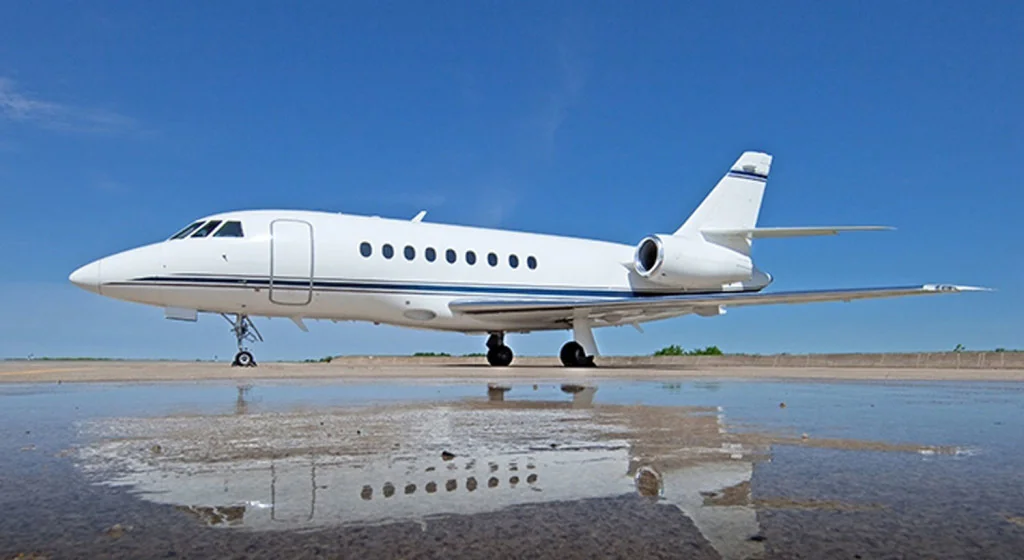
Controlling costs in private aviation is not just feasible, but strategic. Here, you’ll find insights to manage your budget without compromising on quality or safety.
Reducing Repositioning Fees
Repositioning fees can inflate costs if an aircraft has to travel from its base to pick you up. You can avoid these by choosing operators with aircraft already near your location. Also, consider empty leg flights, where you can book the return leg of a one-way flight at a reduced rate.
Navigating FBO and Landing Fees
FBO fees and handling charges for services like fueling and maintenance can vary greatly. By selecting airports with lower fees or negotiating them upfront, you can keep expenses in check. Landing fees also differ based on the airport and aircraft size, so plan accordingly.
Timing and Scheduling Tactics
Flexibility with your travel dates can lead to significant savings. Avoiding peak travel times and opting for mid-week flights can reduce costs. Additionally, booking well in advance or taking advantage of last-minute deals can also help manage expenditures.
Ensuring Pricing Transparency
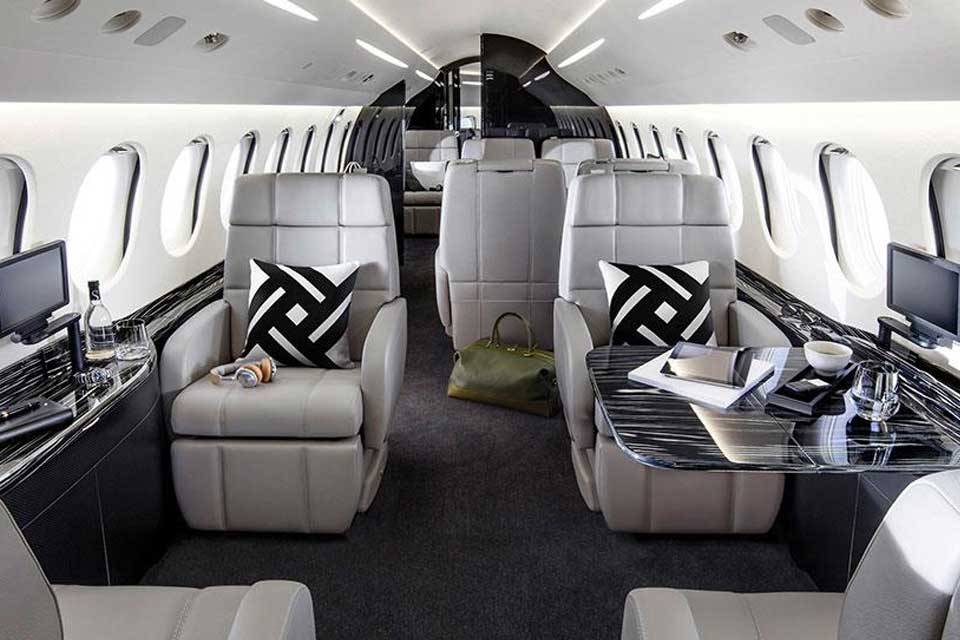
Knowing what you’re paying for is crucial in private aviation. Here, we unravel different options to bring clarity to pricing.
Comparing Charter and Jet Card
Both options have their merits. While a jet card offers fixed hourly rates, a charter flight provides flexibility for occasional flyers. Comparing these can help you decide based on your flying frequency and cost priorities.
Fractional Ownership vs Charter
Fractional ownership provides shared ownership of an aircraft, offering a different value proposition compared to chartering. It’s suitable for frequent flyers who want consistency without full ownership responsibilities. Assess your flight needs to determine which is more cost-effective.
Line-Item Quote Review Process ✈️
Reviewing a line-item quote ensures you’re aware of all charges. Look for details like crew overnight costs and segment fees. This transparency helps you avoid unexpected expenses and better negotiate your deal.
Frequently Asked Questions
How much does it cost to charter a private jet?
Chartering a private jet can vary widely, but usually starts around $2,000 per hour for a light jet and can climb to over $8,000 per hour for a heavy jet.
What are repositioning fees in private jet travel?
Repositioning fees occur when an aircraft needs to fly to a pickup location, and they can be mitigated by choosing nearby aircraft or booking empty leg flights.
How can I reduce FBO fees?
Selecting airports with lower fees and negotiating handling charges upfront can help reduce FBO fees, keeping your travel budget efficient without compromising on service quality.