How CEOs Think About Travel: A Strategic Asset, Not an Expense
Too many CEOs still see travel as a cost to cut. That mindset wastes time and revenue and leaves risk unchecked. Your CEO travel strategy should shift travel into a strategic asset, controlling schedules, accelerating deals, and protecting your team. This guide lays out when to charter, when commercial fits, and how disciplined private aviation sharpens every business trip.
Ready to rethink travel on your terms?
Travel as a Strategic Tool
In today’s competitive business environment, travel is more than just moving from point A to point B. It’s a strategic asset that can drive growth and efficiency. Let’s explore how you can leverage travel to optimize both time and revenue in your organization.
Leveraging Time and Revenue
Imagine cutting down on wasted hours in airports or during layovers. With the right travel strategy, this becomes your reality. Business aviation not only saves time but can also directly impact your bottom line. For instance, a survey by GBTA revealed that companies with strategic travel management outperform peers by up to 30% in revenue. By choosing private travel, you gain control over your schedule, allowing you to focus your energy where it matters most: closing deals and fostering relationships.
Every minute saved in transit translates into more time for strategic thinking and decision-making. This isn’t just about convenience; it’s about creating a nimble, responsive operation. Your team can meet clients face-to-face more often, building stronger partnerships that drive success.
Balancing Risk and Control
Risk management is a crucial part of any travel strategy. With private flights, you minimize the unpredictability of delays and cancellations. This level of control is invaluable when timing is critical, such as during negotiations or time-sensitive projects.
Private aviation provides a secure environment, reducing exposure to crowded spaces and enhancing your team’s safety. The peace of mind that comes with knowing your travel is both efficient and safe is invaluable. Your travel plan should not just be about getting there; it should be about arriving prepared and protected.
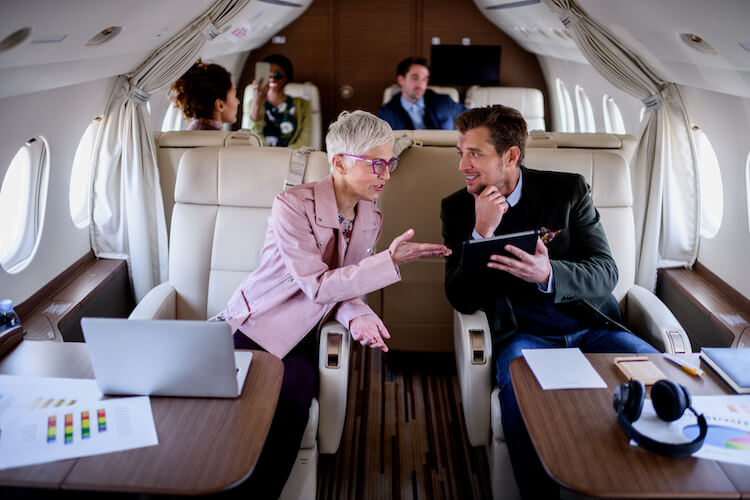
When it comes to choosing how to travel, understanding when to opt for charter flights versus commercial options can transform your travel strategy. This framework will guide you in making informed decisions.
Charter vs Commercial Flights
Choosing between charter and commercial flights involves assessing your priorities. Charter flights offer flexibility and privacy, crucial for sensitive business trips. They also provide direct routes that can significantly cut travel time. For example, if your itinerary involves multiple stops, chartering can save you hours.
On the other hand, commercial flights might be suitable for less urgent trips where budget constraints are tighter. They offer a wide network of connections, which can be beneficial when time is less of a factor. The ability to select the right option based on the situation is crucial in optimizing travel efficiency.
Combining Travel Options
Sometimes, the best solution is a hybrid approach. Combining charter and commercial flights can balance cost and flexibility. For example, you might use a charter flight for the primary leg of a journey, ensuring punctuality and comfort, and then switch to commercial for less critical legs.
This strategic blend allows you to manage costs without compromising on essential business priorities. It’s about finding the right mix to meet your specific needs, ensuring that your travel supports your broader business goals seamlessly.
Enhancing Business Operations
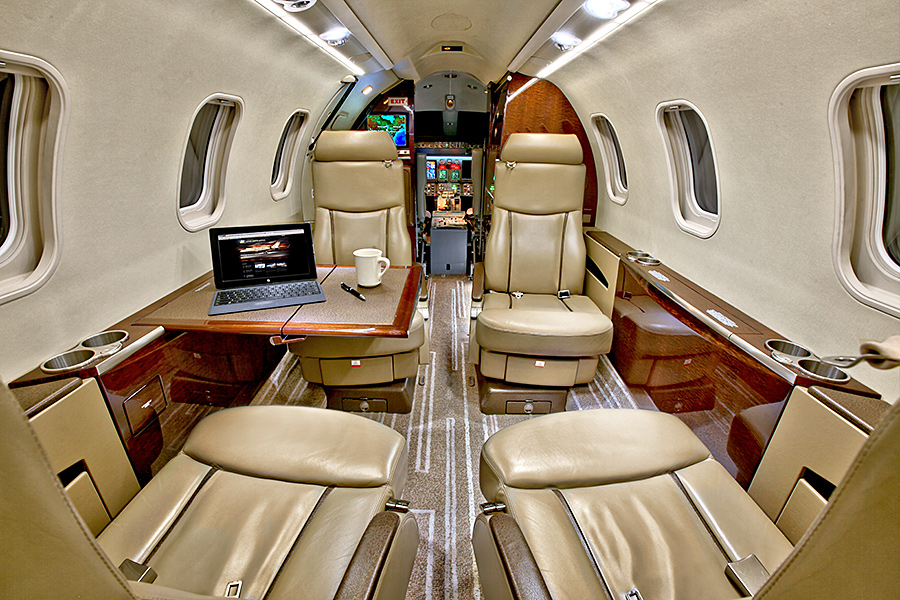
Strategically managed travel can greatly enhance how your business operates. Let’s delve into how disciplined travel can elevate team effectiveness and accelerate deal velocity.
Elevating Team Effectiveness
Travel isn’t just about reaching a destination; it’s about how you and your team perform when you get there. Effective travel planning ensures your team arrives refreshed and ready, not exhausted from unnecessary delays or discomfort. This is where private aviation can make a difference, offering comfort and convenience that keeps your team at peak performance.
Moreover, having the right travel strategy allows you to deploy your best people to the right places at the right times. This boosts morale and productivity, as your team feels valued and well-supported. The travel experience should empower your team, making them more effective ambassadors of your business vision.
Increasing Deal Velocity 🚀
Time is critical when closing deals. Private aviation allows you to be where you need to be, when you need to be there, accelerating deal cycles. Imagine being able to meet a potential partner face-to-face with minimal notice, or quickly flying in key team members for important negotiations. This capability can be a game-changer in high-stakes situations.
The agility offered by a well-planned travel strategy can significantly boost your ability to close deals faster. By removing travel barriers, you can focus on what truly matters: building relationships and driving business growth. Explore how strategic travel can transform your operations with an Aviation Strategy Audit.
Frequently Asked Questions
What is the role of a CEO in travel strategy?
A CEO’s role is to ensure that travel aligns with business goals, optimizing time and resources. This involves choosing between charter and commercial flights to maximize efficiency and effectiveness.
How can private aviation reduce travel risks?
Private aviation offers greater control over schedules and routes, minimizing exposure to delays and cancellations. It also provides a safer, more secure environment, reducing health risks associated with crowded spaces.
Why combine charter and commercial flights?
Combining both options can balance cost and flexibility, ensuring that travel remains efficient and aligned with business priorities. This approach leverages the strengths of each option for optimal results.
How can strategic travel improve business operations?
By ensuring your team travels efficiently, you enhance their performance and morale. Strategic travel reduces downtime and optimizes meeting opportunities, directly impacting productivity and business growth.
What should I consider when creating a travel strategy?
Consider factors like trip urgency, budget constraints, and team requirements. A well-rounded strategy balances cost with the need for flexibility, safety, and comfort.