


Textron Aviation, Simplified: Citation vs. King Air—Choose the Right Airframe for Your Mission
Textron Aviation’s Citation jets and Beechcraft King Air turboprops serve distinct roles in business aviation. Choosing the right aircraft depends on your mission’s demands: runway length, passenger load, range, and cost. We break down these core families, matching real-world scenarios to the best fit. By clarifying charter versus ownership, safety standards, and operational factors, you gain clarity to make decisions that protect your time and resources. Explore more about Textron Aviation.
Understanding Textron Aviation’s Offerings
Choosing between the Cessna Citation and Beechcraft King Air can impact your travel efficiency. Let’s delve into the unique strengths of each aircraft family to see which aligns with your needs.
Cessna Citation Versus Beechcraft King Air
The Cessna Citation jets are known for speed and range, making them ideal for longer missions. If you’re frequently flying between distant cities, the Citation saves valuable time. For instance, the Citation Longitude can cover 3,500 nautical miles, making cross-country trips a breeze. On the other hand, Beechcraft King Air turboprops excel in versatility and cost-effectiveness. They shine in short to medium-haul flights and can access airports with shorter runways, a feature many jets lack. These turboprops provide a comfortable journey for smaller groups, especially when efficiency is paramount.
Turboprop Vs Jet: Key Differences
Jets like the Citation are faster and often quieter, creating a serene cabin environment. They’re perfect for executives who need to maximize productivity in the air. Turboprops, such as the King Air, offer a cost-effective alternative. Although slightly slower, they are more fuel-efficient, which can lead to savings on shorter routes. If you’re flying to less accessible destinations, turboprops can often land on shorter runways, adding flexibility to your itinerary.
Mission Profile and Aircraft Selection
Aligning your aircraft choice with your mission profile ensures optimal performance. For frequent business travel requiring speed and range, the Citation series may be your best bet. Yet, if your missions involve remote destinations or shorter travel, the King Air’s capability to handle diverse environments comes in handy. It’s crucial to evaluate your most common travel needs when selecting between these two.
Evaluating Aircraft Performance and Capabilities
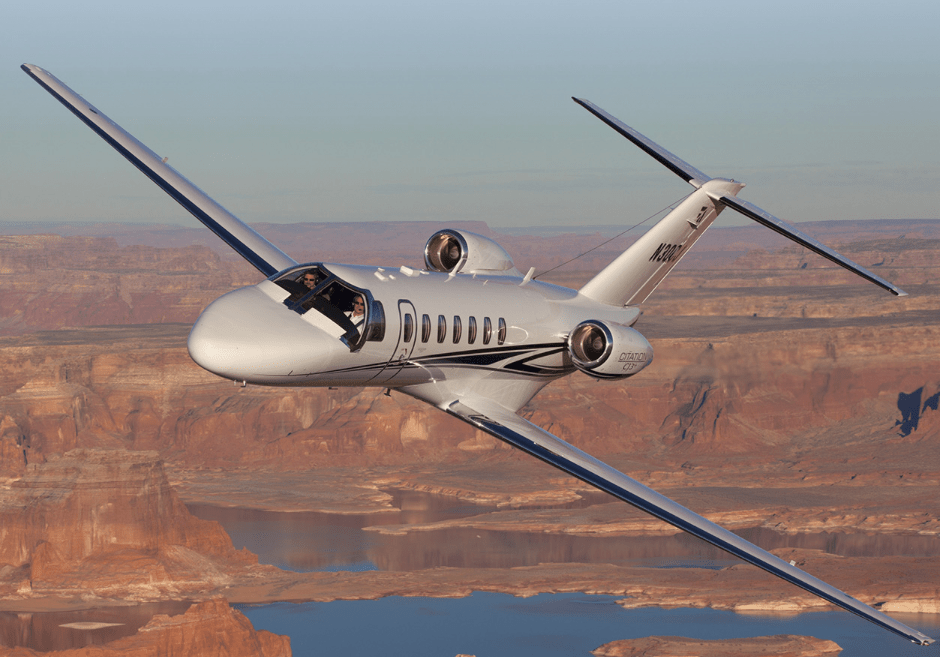
Understanding performance metrics is key to making an informed choice. Let’s examine the factors that influence a safe and smooth journey.
Runway Performance and Short Runway Airports
Runway performance is a critical factor when selecting an aircraft. Cessna Citation jets generally require longer runways but excel in speed and efficiency. If your travel often involves major airports, this won’t be a concern. However, if your destinations include smaller airports, the King Air might be preferable. With the ability to operate on shorter runways, the King Air opens up a larger selection of airports, offering more flexibility.
Range, Payload, and Baggage Capacity
Range and payload capacity directly affect your travel plans. Citation jets, like the Citation Latitude, offer impressive range capabilities, accommodating cross-country journeys without refueling. These jets also provide ample baggage space, perfect for lengthy trips. Conversely, King Air turboprops, while not as extensive in range, offer generous payload and baggage capacity for shorter missions, making them ideal for regional flights with multiple passengers and equipment.
Cabin Comfort and Use
Cabin comfort is paramount for an enjoyable flight experience. Citation jets provide luxurious interiors, with spacious cabins and advanced amenities, ensuring productivity and relaxation. They’re designed for those who value quiet and space. King Air aircraft, while more utilitarian, still offer comfortable seating arrangements. Their cabins are ideal for groups who prioritize function and cost-effectiveness over luxury.
Navigating Ownership and Charter Options

Deciding between ownership and charter can be complex. Let’s break down what each option entails and help you make an informed decision.
Private Jet Charter Considerations
Chartering provides flexibility without the long-term commitment of ownership. You gain access to a range of aircraft without the responsibility of maintenance. This option is ideal if your flight frequency varies or if you require different aircraft for different missions. Chartering allows you to tailor your travel experience without the overhead of owning a plane.
Part 135 Safety and Compliance
Safety is non-negotiable in aviation. When considering charter options, ensure compliance with Part 135 regulations. These standards guarantee rigorous safety protocols and maintenance checks. By prioritizing charters that meet these criteria, you ensure a safe, reliable journey every time you fly.
Charter Pricing and Cost Control
Chartering can also offer cost efficiencies. Prices vary based on aircraft type, route, and demand, but you only pay for what you use. This pay-as-you-go model is beneficial for businesses that want to maintain cost control while enjoying the benefits of private air travel. Learn more about chartering options and considerations.
Frequently Asked Questions
What are the main differences between jets and turboprops?
Jets are faster and quieter, suited for long distances. Turboprops are cost-effective and can land on shorter runways, ideal for regional travel.
How do I choose between Citation and King Air?
Consider your travel needs: for speed and distance, go with Citation; for versatility and shorter routes, choose King Air.
Is chartering better than owning a private jet?
Chartering offers flexibility and reduces commitment, ideal if your flight frequency and aircraft needs vary.
What safety standards should I look for in a charter service?
Ensure the service complies with Part 135 safety regulations, which enforce strict maintenance and operational standards.
Can Citation jets land at small airports?
Citation jets typically require longer runways, so they may not be suitable for smaller airports that King Air turboprops can access.


