


Cirrus Vision Jet (SF50): Mission Fit, Costs, and Use Cases
The Cirrus Vision Jet (SF50) isn’t for every mission. Its strength lies in regional hops, short runway access, and small-group travel with a focus on safety, including the CAPS parachute system. Before committing, you need a clear breakdown of costs, range, and real-world use cases—no guesswork, just facts. Here’s what to consider to decide if the Vision Jet fits your travel profile or if a light jet alternative makes more sense. Learn more about the Vision Jet here.
Cirrus Vision Jet Mission Profiles
Understand where the Cirrus Vision Jet shines in real-world scenarios. It’s crucial to evaluate this jet’s capabilities against your specific needs.
Regional Business Hops
When speed and efficiency matter, the Vision Jet has a clear advantage. It excels in regional business hops, offering a maximum NBAA range of 1,275 nautical miles, making short trips between nearby cities seamless. This personal jet allows you to bypass commercial flight hassles and focus on your work. Imagine flying from New York to Chicago without layovers, arriving refreshed and ready for your meeting. The time you save is invaluable, freeing you for the tasks that truly matter.
Family Weekend Getaways
For families, the Vision Jet provides comfort and convenience. It comfortably seats up to five adults, perfect for short weekend trips. With its versatile cabin, you have enough space for the kids and luggage without feeling cramped. A quick hop to a coastal retreat or a mountain escape becomes a pleasant journey, not a chore. The jet’s quiet ride ensures conversations and relaxation are uninterrupted, making family travel a joy rather than an ordeal.
Secondary Airport Access
Accessing smaller airports is where the Vision Jet truly shines. Its ability to utilize shorter runways opens a world of possibilities. This flexibility means you can land closer to your final destination, saving you time and reducing ground travel. Imagine touching down at a secondary airport, bypassing the congestion of major hubs. This capability allows you to reach areas others can’t, making remote meetings or secluded vacations much more accessible.
Real-World Costs of Ownership
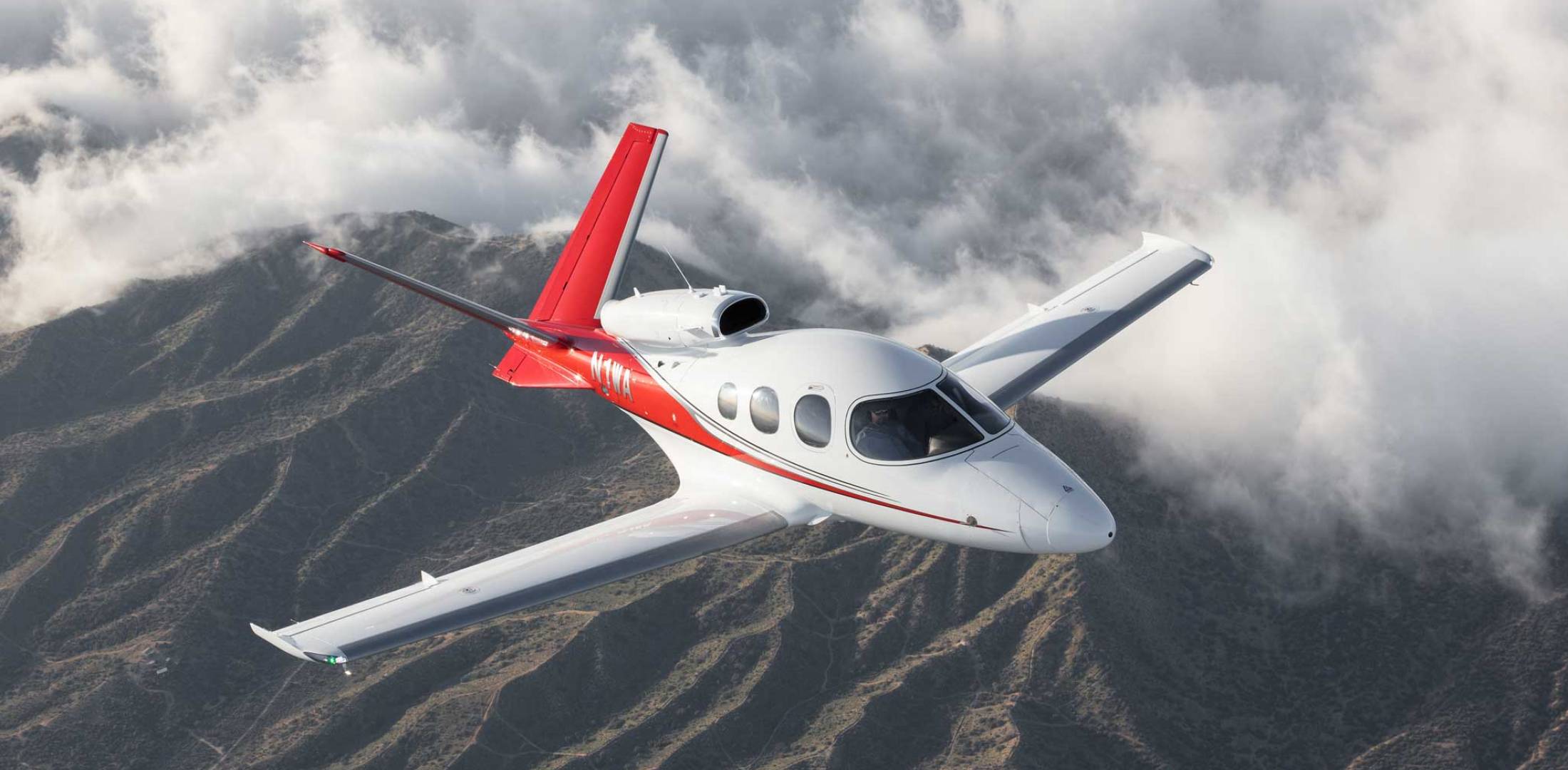
Understanding the financials is crucial in determining if the Vision Jet aligns with your budgetary expectations. Here’s a breakdown of what you can expect in terms of costs.
Hourly Charter Rate Breakdown
When chartering, the hourly rate is a key consideration. For the Vision Jet, expect rates in the range of $1,500 to $2,000 per hour, varying by location and demand. This rate provides access to a private jet experience without long-term commitments. The cost includes pilot fees, fuel, and maintenance, offering a comprehensive package. It’s ideal for those who need flexibility without the full expense of ownership.
Comparisons: Pilatus PC-12 vs Vision Jet
Comparing the Pilatus PC-12 with the Vision Jet reveals key distinctions. The PC-12, known for its versatility, offers a larger cabin and longer range, but at a higher operating cost. In contrast, the Vision Jet provides a more cost-effective solution for shorter trips. For flights under 1,000 miles, the Vision Jet is often the smarter choice, delivering both value and performance. The decision hinges on your specific needs: longer range versus cost efficiency.
Citation M2 vs Vision Jet Analysis
The Citation M2, a light jet alternative, offers higher speed and range than the Vision Jet. However, it comes with increased costs and the requirement for longer runways. The Vision Jet, with its CAPS parachute system and compact design, is better suited for those prioritizing safety and versatility. If your missions are typically short, and safety is a top priority, the Vision Jet’s features provide significant benefits over the Citation M2.
Safety Features and Considerations
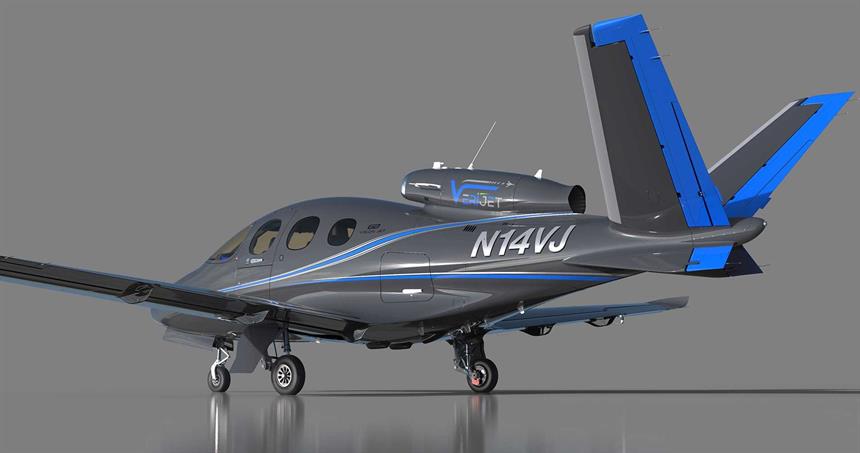
Safety is paramount in aviation, and the Vision Jet doesn’t compromise. Here’s a look at its standout safety features.
CAPS Parachute Overview
The CAPS parachute system is a game changer, offering an added layer of safety. In critical situations, this system can be deployed to bring the aircraft down gently. It’s a reassuring feature that enhances passenger confidence, especially crucial for those new to flying in a private jet. This unique safety net sets the Vision Jet apart from competitors, making it a top choice for cautious travelers.
Common Charter Safety Standards
Vision Jet charters adhere to strict safety standards. All flights are conducted by experienced pilots, with rigorous pre-flight checks and continuous maintenance ensuring a reliable aircraft. Industry-standard safety checks are implemented, aligning with practices seen in larger jets. This commitment to safety reassures passengers, allowing you to focus on the journey.
G2+ Vision Jet Enhancements
The newer G2+ Vision Jet model introduces enhancements that improve the flying experience. These include upgraded avionics and improved engine performance, offering smoother and more efficient travel. The upgraded model ensures you get the latest in innovation, enhancing both safety and comfort. For those looking to invest in the latest technology, the G2+ is a compelling option.
Frequently Asked Questions
What is the range of the Cirrus Vision Jet?
The Vision Jet offers a maximum range of 1,275 nautical miles under NBAA rules, making it optimal for regional trips.
How many passengers can the Vision Jet accommodate?
It can seat up to five adults, providing a comfortable travel experience for small groups or families.
What makes the Vision Jet’s safety features unique?
The CAPS parachute system sets it apart, offering an extra layer of safety by allowing the aircraft to descend safely in emergencies.
How does the Vision Jet compare to the Citation M2?
While the Citation M2 offers greater range and speed, the Vision Jet excels in cost-effectiveness and versatility for shorter trips.
What are the hourly charter rates for the Vision Jet?
Expect rates between $1,500 and $2,000 per hour, inclusive of pilot fees, fuel, and maintenance.


