


NetJets vs On-Demand Charter: How to Choose the Right Model for Your Missions
NetJets offers a straightforward path to private aviation, but it’s not the only route. On-demand charter brings a different set of strengths—and limitations—that can shift the balance depending on your needs. From peak-day restrictions to aircraft guarantees, understanding the nuances between fractional ownership, jet cards, and Part 135 charter is essential if your goal is to protect both time and budget. Let’s cut through the noise and clarify which model fits your mission.
For more insights on optimizing your travel strategy, explore our Executive Playbook for Time-Controlled Travel. If you need guidance selecting the right aircraft, check out our detailed guide on Gulfstream jets. And for a deeper dive into smarter charter decisions, consider reading our Executive Guide to Gulfstream Aerospace.

Comparing NetJets and On-Demand Charter
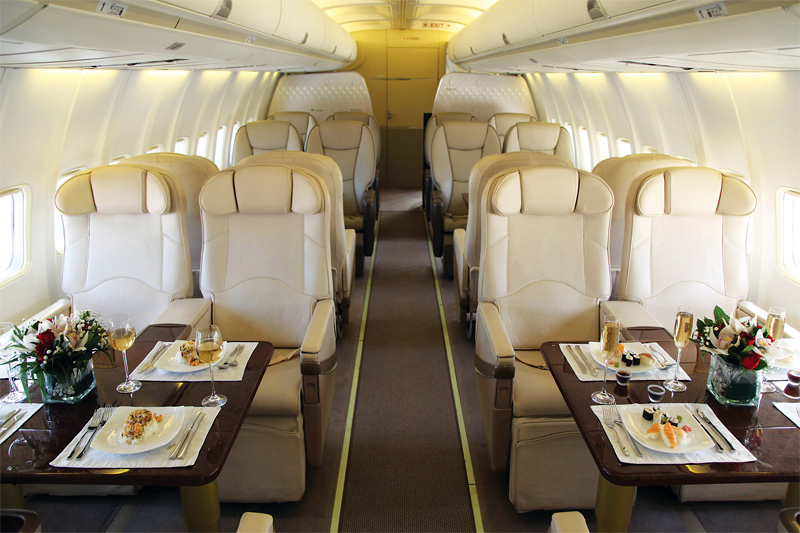
Choosing the right private flight model requires a close look at costs, flexibility, and aircraft options. Let’s unpack these elements to help you decide.
Evaluating Costs and Commitments
When assessing costs, consider both upfront expenses and longer-term commitments. Fractional ownership requires a significant capital outlay, often in the millions, plus monthly management and occupied hourly fees. These costs can add up quickly. On-demand charter, meanwhile, offers a pay-as-you-go model. You only pay for what you use, making it a more flexible financial commitment. For many, this flexibility can be appealing. However, expect variable pricing due to factors like demand, seasonality, and route popularity.
Flexibility and Peak-Day Constraints
Flexibility is crucial in private aviation. Jet cards and fractional ownership usually come with restrictions. Expect limitations on peak travel days, which can impact your schedule. In contrast, on-demand charter offers greater freedom. You decide when and where you fly. No blackout dates mean you can fly during high-demand periods, albeit potentially at a higher rate. This flexibility is a significant advantage for those valuing time above all else.
Aircraft Access and Safety Standards
Access to a range of aircraft is another differentiator. NetJets provides guaranteed access to a fleet of varied sizes, from light jets to ultra-long-range models. On-demand charter offers access to a global fleet through a broker, which can provide more options but without guaranteed availability. Safety is non-negotiable. Both models adhere to top safety standards, with ARGUS and WYVERN ratings as benchmarks.
Analyzing Aircraft Options
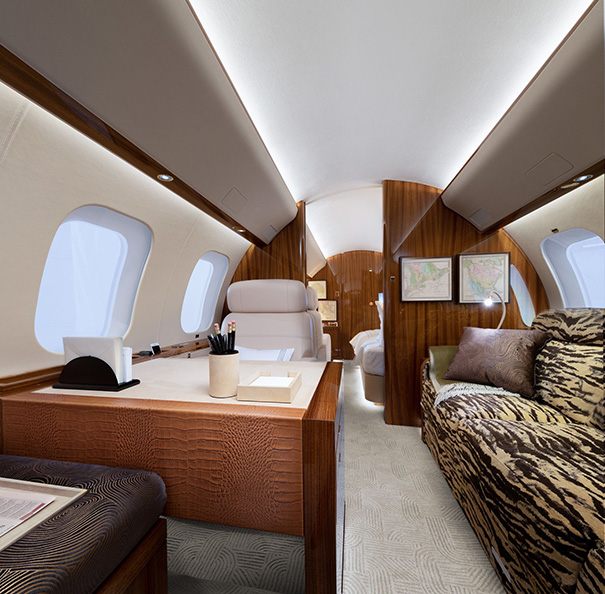
Understanding your mission’s demands is key to selecting the right aircraft. Let’s explore what’s available and what guarantees you can expect.
Understanding Light to Ultra Long Range Jets
Whether you need a light jet for short hops or an ultra-long-range jet for transcontinental travel, knowing your options is vital. NetJets provides a curated fleet, ensuring the aircraft suits your mission. On-demand charters require a bit more research but offer flexibility to choose specific models, such as the Gulfstream G280 or G800. Your mission dictates the choice.
Aircraft Guarantee and Availability
With fractional ownership, you get guaranteed access, but it comes with potential restrictions like peak-day limitations. Jet cards also offer certain guarantees, though availability can vary. On-demand charter requires booking through a broker. Availability can fluctuate, but it often means more freedom to choose the exact aircraft you need for each trip. This is where working with a trusted broker becomes crucial.
Safety Ratings: ARGUS, WYVERN, IS-BAO
Safety remains paramount. Both NetJets and reputable charter services adhere to high safety standards. Look for operators with ARGUS or WYVERN ratings, which indicate rigorous safety audits and compliance. The IS-BAO certification is another mark of excellence, ensuring the operator follows the highest safety protocols. Whether owning a share or chartering, always prioritize safety.
Navigating Membership and Charter Models

Different models cater to different needs. Understanding how each works helps you make an informed choice.
Fractional Ownership and Jet Cards
Fractional ownership offers equity in an aircraft, assuring availability and fixed costs, but requires long-term commitment. Jet cards provide access without ownership, offering a set number of hours and some cost predictability. Both models ensure a high level of service, but assess if the cost aligns with your travel frequency and flexibility needs.
On-Demand Charter and Private Jet Membership
On-demand charter provides ultimate flexibility with no long-term contracts. It’s ideal for those who fly irregularly or desire varied aircraft. Private jet memberships are a hybrid, offering tiered access and some cost benefits without full ownership. Evaluate your travel patterns to determine which model fits best.
Managing Occupied Hourly Rates and Fees
Understand the fees involved in each model. Fractional ownership involves occupied hourly rates, maintenance, and management fees. Jet cards offer more transparency but watch for potential extra charges. On-demand charter fees vary by trip, so be mindful of additional costs like fuel surcharges or repositioning fees. Each model has its pricing structure, so consider how each aligns with your budget.
Frequently Asked Questions
What is the main difference between fractional ownership and on-demand charter?
Fractional ownership involves purchasing a share in an aircraft with guaranteed access, while on-demand charter allows you to book flights as needed without ownership.
Are there blackout dates with jet card programs?
Yes, many jet card programs have peak-day restrictions, which can limit availability during high-demand periods.
What safety standards should be considered when booking a private jet?
Look for operators with ARGUS, WYVERN, or IS-BAO certifications, as they indicate adherence to high safety standards.
How does aircraft availability differ between NetJets and on-demand charter?
NetJets offers guaranteed access to their fleet, while on-demand charter provides broader options through a broker but without guaranteed availability.
What are the cost differences between these private aviation models?
Fractional ownership involves a significant upfront investment and ongoing fees, while on-demand charter and jet cards provide more pay-as-you-go flexibility, with pricing varying based on usage.


