United Airlines or Private Charter? A Strategic Playbook for Executives
Booking United Airlines for your executive travel often feels like a safe bet, until delays or irregular operations throw your schedule into chaos. Knowing when to rely on commercial flights and when a private jet charter cuts through uncertainty can secure your time and ROI. This playbook breaks down the practical choices, hub by hub, with real-world comparisons designed to sharpen your travel strategy before your next critical trip.
For those seeking to book a private jet the right way, it’s crucial to understand the strategic advantages.

Choosing Between United and Charter
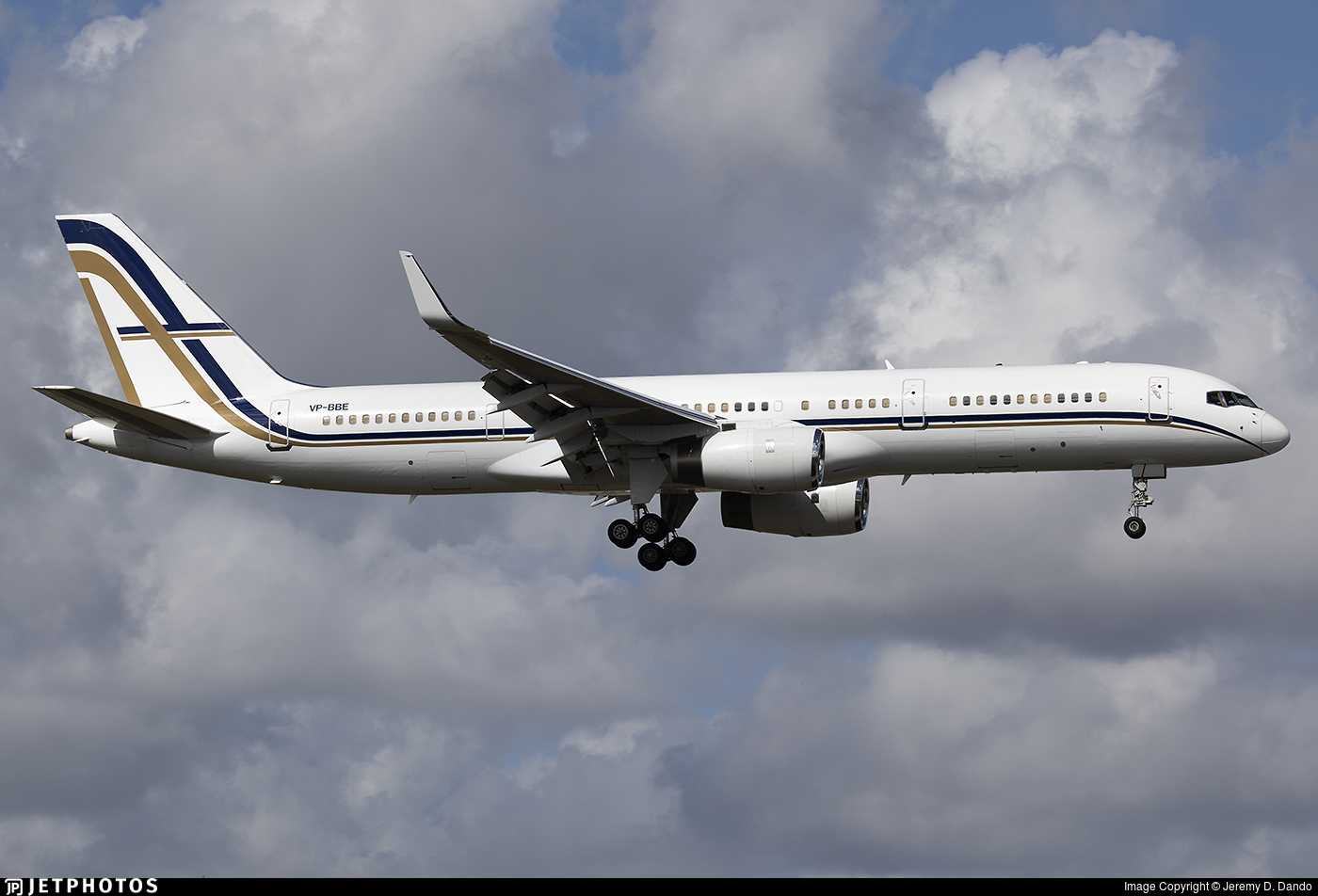
Navigating the skies as a business executive requires astute decision-making. Let’s explore when flying United Airlines fits your needs and when a private jet charter might be your best bet.
When United Airlines Makes Sense
United Airlines offers extensive routes and frequent flights, making it a reliable choice in many scenarios. If your journey involves major airports with predictable schedules, United can be a cost-effective option. The airline’s wide network and frequent flyer perks may add convenience to straightforward travel plans.
-
Benefit: Access to a vast network of destinations
-
Example: Flights between major hubs like New York and Los Angeles
When time isn’t the utmost priority, and you value frequent flyer benefits, United Airlines often suits the bill. But what if schedules shift or time becomes essential? That’s where private charters come in.
The Case for Private Jet Charter
Private jet charters offer unmatched flexibility and control over your schedule. They allow you to fly at your convenience, reducing downtime and increasing productivity. With private terminals, you skip long security lines and enjoy privacy.
-
Benefit: Total schedule control and privacy
-
Example: Last-minute business meeting in a remote location
When your agenda is packed and time is money, a charter flight becomes more than transportation. It transforms into a strategic tool for efficiency. But how do you decide between the two?
Charter vs Commercial: Making the Call
Making the right choice between a commercial flight and a private charter depends on several factors. Analyze your priorities: time, cost, and convenience.
-
Benefit: Tailored travel solutions
-
Step 1: Assess flight duration and departure flexibility
-
Step 2: Consider the value of time saved
-
Step 3: Balance cost against opportunity
Making this decision requires strategic insight, especially when navigating different hubs. Let’s delve into specific travel considerations at major airports.
Hub-by-Hub Travel Considerations

Each hub has unique factors that can influence your travel decision. Here’s what you need to know about choosing between nearby airports.
Newark vs Teterboro: EWR vs TEB
When flying into the New York area, consider whether Newark or Teterboro best meets your needs. Newark offers commercial routes, while Teterboro caters to private jets.
-
Benefit: Proximity to New York City
-
Insight: Teterboro is known for ease of access and quick departures
Executives often favor Teterboro for its private terminals, reducing time spent in transit. But when is Chicago O’Hare preferable?
Chicago O’Hare vs PWK/MDW
In Chicago, choose between the bustling O’Hare or the more tailored service of PWK and MDW. O’Hare connects many commercial flights, while PWK and MDW support flexible charter schedules.
-
Benefit: Customizable schedules at PWK/MDW
-
Example: Quick business trips requiring flexible timing
The choice hinges on your need for speed and control. Similarly, consider your options on the West Coast.
San Francisco SFO vs OAK/SQL
San Francisco’s SFO is a major hub for United, while OAK and SQL offer private alternatives. Each airport presents distinct benefits.
-
Benefit: Private terminals for quick access at OAK/SQL
-
Example: Avoiding congestion at SFO for time-sensitive meetings
When time is tight, avoiding major airport delays can be pivotal. Let’s establish a decision framework for these scenarios.
Strategic Decision Framework

To make informed travel decisions, you’ll need a robust framework. This includes evaluating time ROI, planning for disruptions, and comparing real-world costs.
Evaluating Time ROI in Travel
Time ROI is a key metric in executive travel decisions. Consider how much time you save by flying private versus commercial.
-
Benefit: Maximizing productivity
-
Example: A one-hour difference could mean attending an extra meeting
Choosing based on time ROI ensures you make the most out of every minute. But what happens when disruptions occur?
Flight Disruption Contingency Planning
Flight disruptions can derail your plans. A contingency plan ensures you maintain control over your schedule.
-
Benefit: Minimized impact from delays
-
Insight: Private jets offer flexibility to adjust departure times
Being prepared can safeguard your agenda, keeping you on track. Finally, consider the real-world costs and time comparisons.
Real-World Cost and Time Comparisons
Comparing costs and time between commercial and private flights reveals insightful trade-offs.
-
Benefit: Informed financial decisions
-
Example: Factor in potential lost revenue from travel delays
Balancing cost with the value of time saved helps you make the best decision for your travel needs.
In conclusion, the choice between United Airlines and private charter is strategic, demanding consideration of factors like time, cost, and flexibility. By applying this playbook, you can optimize your travel strategy and ensure every trip is aligned with your goals.