


How to Choose the Right Private Aircraft for Your Mission, Not Your Assumptions
Choosing a private aircraft based on assumptions wastes time and risks costly errors. Your mission profile demands more than guesswork—it requires precise evaluation of range, payload, and runway performance. Understanding these factors ensures your private jet charter fits every detail, from short-field operations to fuel stop planning. This clarity puts control back in your hands and protects your schedule. Let’s cut through the noise and focus on what truly matters: your mission. For more insights, visit The Ultimate Guide to Private Jet Charter: How to Choose the Right Aircraft for Your Needs.
Mission-First Framework for Aircraft Selection
This journey starts with understanding the unique demands of your mission.
Understanding Your Mission Profile
Every flight has specific needs. Before selecting an aircraft, determine your mission profile. Consider how far you need to travel and the number of passengers. Ask yourself: What kind of cargo am I carrying? Will I need to land on shorter runways? These details shape your choice more than any assumption.
Matching Aircraft to Mission Needs
With your requirements clear, match them to suitable aircraft options. A light jet might be perfect for a quick business trip, whereas a heavy jet fits transcontinental voyages. Each aircraft type caters to different needs. Always align your choice with the mission, not the other way around.
Avoiding Costly Mismatches
Mistakes in aircraft selection can be expensive. They lead to delays and unnecessary costs. Avoid these pitfalls by focusing on your mission’s specifics. By doing so, you gain peace of mind and ensure efficient travel.
Key Factors in Aircraft Selection
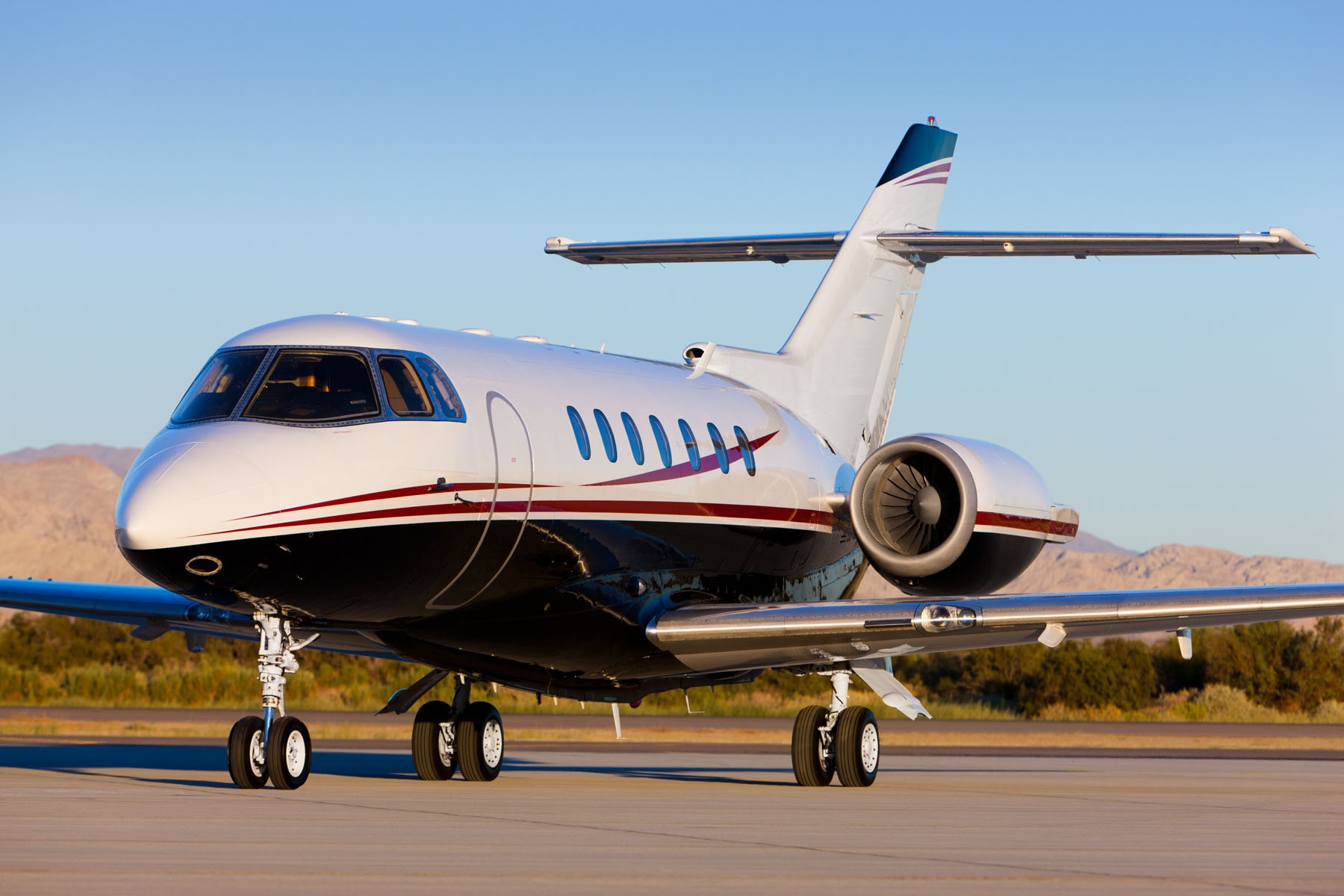
Aircraft choice is not just about size or speed. It’s the fine details that matter.
Range and Payload Considerations
Two major factors: how far it can fly and how much it can carry. A light jet might suffice for short routes with a few passengers. However, for longer distances, a heavy or ultra-long-range jet is better. Consider payload too. Can the aircraft handle your luggage and equipment without compromising safety or comfort?
Turboprop vs Jet: Making the Right Choice
Do you need a turboprop or a jet? Turboprops excel in short distances and efficiency, making them ideal for regional flights. Jets, whether midsize or super midsize, offer speed and comfort over longer distances. Weigh the pros and cons based on your specific travel needs.
Runway Performance and Short Field Operations
Not all runways are created equal. Many private jets require longer runways, but some excel in short field operations. Knowing runway lengths at your destination can impact your choice. Consider those that can operate efficiently under these constraints, ensuring seamless arrivals and departures.
Ensuring Safety and Efficiency

Safety is non-negotiable. Efficiency is essential.
Importance of Part 135 and Safety Ratings
Compliance with Part 135 ensures the aircraft meets strict safety standards. Look for operators with ARGUS and Wyvern ratings. These certifications provide a layer of trust, ensuring your journey is secure and well-regulated.
Fuel Stop Planning and Hot and High Airports
Fuel stops can be pivotal in flight planning. They affect the duration and cost of your trip. Understand where and when these stops are needed. Also, consider the challenges of hot and high airports. They require specific performance capabilities from your aircraft, affecting your choice significantly.
Managing Time-Sensitive Travel and Executive Needs
Time is your most valuable asset. Executive travel demands precision. Selecting the right aircraft ensures you meet tight schedules without compromise. For every minute counts, especially in business aviation.
Frequently Asked Questions
What is the difference between turboprop and jet aircraft?
Turboprops are more fuel-efficient and ideal for short distances, while jets offer higher speeds and comfort for longer routes.
How do I know which aircraft is right for my mission?
Identify your mission profile: travel distance, passenger count, and cargo needs. Match these with aircraft capabilities such as range and payload.
What are Part 135 and safety ratings?
Part 135 is a set of regulations ensuring aircraft safety. Safety ratings like ARGUS and Wyvern indicate high compliance standards, ensuring safer flights.
Why are runway lengths important in aircraft selection?
Runway length affects an aircraft’s ability to land and take off safely. Some aircraft are designed for shorter runways, making them more versatile.
How do fuel stops impact my flight plan?
Fuel stops can increase travel time and cost. Planning these stops carefully ensures efficient and timely travel.

